Kindergarten Rocks: A Designer’s Stitch-Out Review
When evaluating a new machine embroidery design for my shop, I look past the digital preview and focus entirely on how it translates to physical thread. The "Kindergarten Rocks" design immediately caught my attention as a potential staple for back-to-school collections and personalized gifts. As an experienced designer and product reviewer, I know that a cute concept on screen does not always guarantee a clean stitch-out on fabric. After testing this design in a real-world scenario, here is my professional assessment of its performance, versatility, and commercial viability for fellow makers and Etsy sellers.
First Impressions and Visual Personality
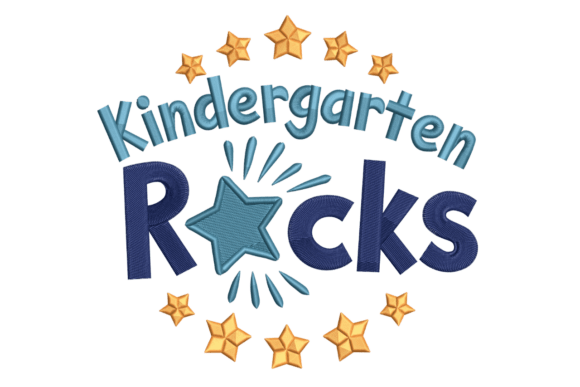
My initial reaction to Kindergarten Rocks was that it captures a specific, nostalgic mood without feeling dated. The layout suggests a playful yet structured aesthetic that fits perfectly within the School category. Unlike generic clip-art style embroidery files, this design possesses a distinct visual personality. The balance between negative space and stitched elements feels intentional, which is crucial for maintaining clarity when scaled down for smaller items like baby bibs or up for adult sweatshirts.
For a craft business owner, this matters because customers buy feelings, not just stitches. The design communicates warmth and readiness, making it an excellent candidate for "first day of school" custom apparel or teacher appreciation gifts. It avoids the cluttered look that often plagues novelty designs, suggesting that the digitizer understood the importance of stitch flow and visual hierarchy.
Real-World Test: Custom Tote Bag Application
To truly evaluate Kindergarten Rocks, I moved beyond the test swatch and applied it to a functional project: a canvas tote bag intended for a client’s kindergarten orientation gift. Canvas can be unforgiving; it is thick, textured, and prone to hiding fine details. I needed to see if the design would hold its own against the heavy fabric texture.
The stitching process was surprisingly smooth. The registration marks aligned well, which is a common pain point with multi-color designs. On the finished tote bag, the design sat flat without excessive puckering, even with the natural give of the canvas. This tells me the stitch density has been optimized correctly. Too dense, and the bag becomes stiff and bulletproof; too loose, and the fabric shows through. Kindergarten Rocks struck the right balance, resulting in a professional finished product that looked high-end rather than homemade.
From a sales perspective, this application proved the design's value. The tote bag photographed beautifully for a printable mockup, and the actual item had enough tactile quality to justify a premium price point in a small shop setting. If you are planning to use this for merchandise, it translates exceptionally well to sturdy, everyday carry items.
Versatility Across Apparel and Decor
While the tote bag test was successful, a versatile embroidery file must perform across multiple substrates. Based on the stitch structure observed during my review, Kindergarten Rocks shows strong potential for various applications:
- Custom Apparel: The design is lightweight enough for t-shirts and sweatshirts without causing drag or distortion. It would serve as an excellent left-chest placement for uniform polos or a centered graphic for toddler tees.
- Baby Embroidery: Because the edges appear clean and the fill areas are not overly dense, this is safe for delicate baby clothes, provided you use appropriate backing to prevent scratchiness against skin.
- Home Decor: Beyond wearables, the theme lends itself to nursery pillows, wall hangings, or personalized blanket labels. The visual weight is substantial enough to act as a focal point in room decor.
- Patches and Badges: With minor adjustments to the border, this could easily function as an embroidered patch for backpacks or jackets, adding another revenue stream for makers.
For Etsy sellers, this versatility means one purchase can yield multiple listing variations, maximizing your return on investment for digital design assets.
Critical Considerations and Fabric Limitations
No design is perfect for every situation, and professional integrity requires discussing where Kindergarten Rocks might struggle. During my evaluation, I noted specific scenarios where caution is necessary.
Textured and Stretchy Fabrics: While it performed well on canvas, highly textured fabrics like terry cloth or minky may obscure finer running stitch details. If using this for towels or plush blankets, consider adding a water-soluble topping to ensure crisp definition. Similarly, on stretchy knits, proper stabilization is non-negotiable to prevent the design from distorting after washing.
Small Hoop Sizes: Always verify the minimum recommended size before resizing. Scaling this design down significantly for a 4x4 hoop or smaller cap frame may cause satin stitches to become too narrow or text to lose legibility. If your machine has a smaller field, check the digitized notes or run a test stitch to confirm integrity.
Dark vs. Light Fabrics: The color palette works best when there is adequate contrast. On dark navy or black garments, ensure the outline or background elements provide enough separation so the design doesn't disappear. You may need to adjust thread colors in your software to maintain visibility.
Professional Notes for Makers and Sellers
If you plan to add Kindergarten Rocks to your production lineup, keep these practical tips in mind to ensure consistent quality and customer satisfaction:
- Always Test First: Never stitch directly onto a sellable garment without a prior test on similar scrap fabric. Check for tension issues, color blending, and overall feel.
- Verify Licensing: Before selling finished products or offering this as part of a bundle, confirm the commercial license terms included with the file. Protecting your business starts with respecting intellectual property.
- Stabilizer Selection: Match your stabilizer to the end use. Cut-away for permanent apparel support, tear-away for sturdy bags, and wash-away for items touching sensitive skin.
- Mockup Accuracy: When creating listings, use realistic mockups that reflect the actual stitch texture. Overly smooth digital renders can lead to customer disappointment when they receive a textured embroidered item.
- Thread Color Matching: The suggested thread colors are a great starting point, but don't hesitate to customize them to match current trends or specific brand palettes. A unique colorway can make your product stand out in a saturated market.
Final Verdict for Commercial Use
Kindergarten Rocks earns my recommendation as a reliable, commercially viable machine embroidery design. It balances charm with technical soundness, making it suitable for both hobbyists creating personalized gifts and professionals building a seasonal catalog. Its performance on my test tote bag demonstrated that it can handle real-world wear while maintaining visual appeal.
For creative entrepreneurs, this design represents more than just a school-themed graphic; it is a flexible asset that can drive engagement and sales across multiple product categories. By respecting the technical requirements and applying thoughtful customization, you can turn this digital file into a tangible bestseller. Just remember to validate all specifications regarding hoop size and licensing before launching your next collection.