Candy Heart Number -1: A Digitizer’s Review
As an embroidery designer who spends hours tweaking digitizing software and testing designs on various fabrics, I approach every new machine embroidery design with a healthy dose of skepticism. When browsing Creative Fabrica embroidery collections for school-themed projects or personalized gifts, the visual appeal is only half the battle. The true test lies in how the design behaves under the needle. I recently evaluated the Candy Heart Number -1 for a custom order involving nursery decor and toddler apparel, and here is my honest assessment of its performance, versatility, and value for commercial creators.
First Impressions and Visual Personality
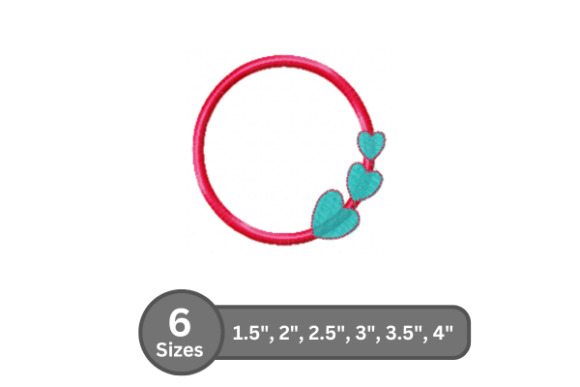
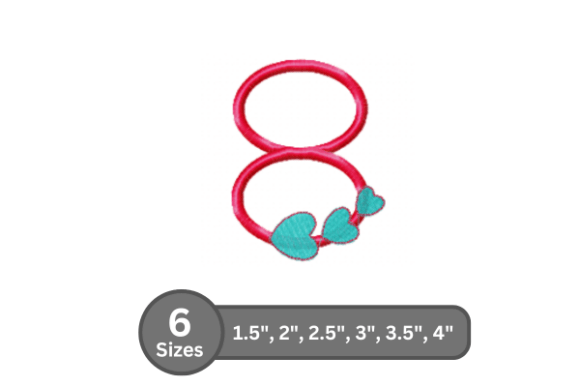
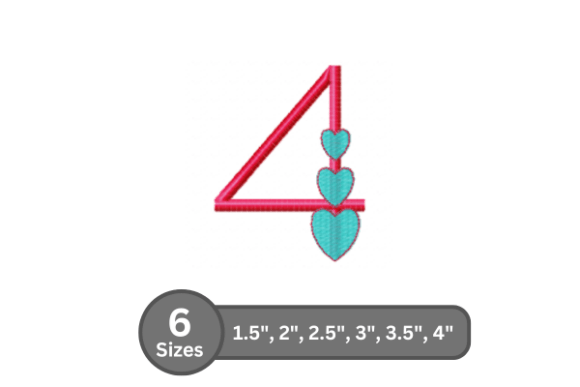
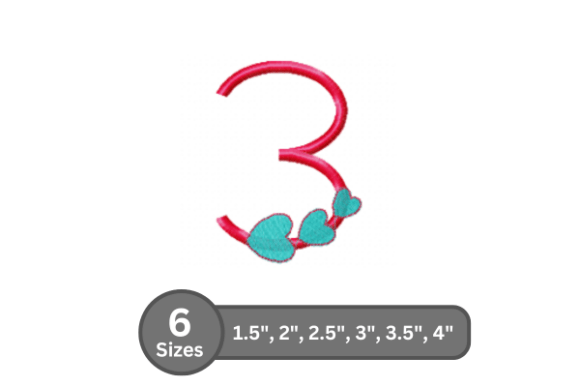
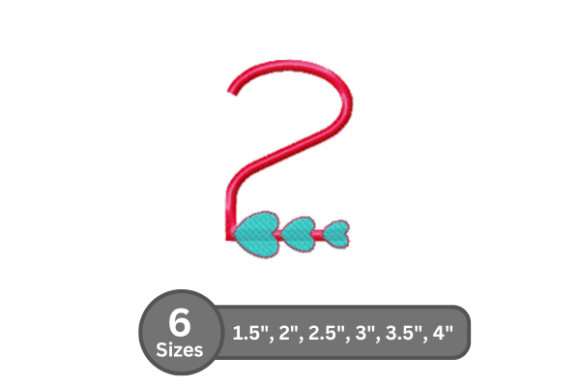
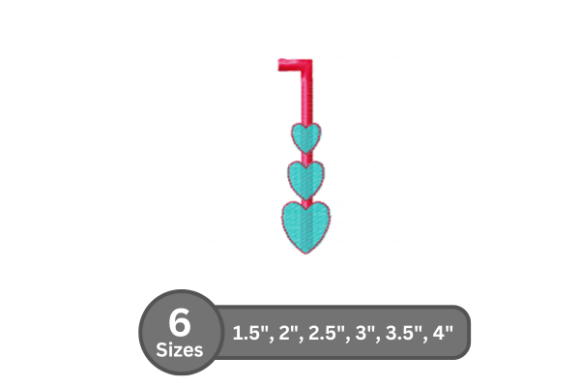
The Candy Heart Number -1 immediately strikes a balance between playful nostalgia and clean legibility. As a fill stitch font, it avoids the high-density puckering issues often associated with large satin columns, making it visually softer and more approachable. The aesthetic is undeniably sweet, evoking classic conversation candies without feeling dated. For Etsy sellers and boutique owners, this visual mood is crucial. It signals "handmade" and "personalized gift" instantly, which helps with customer engagement and product photography.
From a digitizing perspective, the edges appear well-defined in the preview files. The transitions between curves and straight lines seem smooth, suggesting the original digitizer paid attention to pull compensation. This is vital when you are creating custom apparel or items that will be washed frequently. A jagged edge or poor registration in a number font can ruin the perceived value of a finished product, but Candy Heart Number -1 presents itself as a professional-grade asset suitable for both digital product sellers and physical crafters.
Performance on Real-World Projects
I considered this design specifically for a mixed-media project involving cotton tote bags and fleece sweatshirts. Here is how the Candy Heart Number -1 translates from screen to fabric:
- Tote Bag Design: On woven cotton canvas, the fill stitch structure lays down beautifully. Because it is not a dense satin stitch, it does not create a stiff, bulletproof patch of thread. The bag retains its drape, which is essential for high-end commercial embroidery products where comfort matters.
- Sweatshirt Embroidery: Fleece and French terry are notorious for swallowing detail. The open nature of this fill stitch allows the texture of the garment to breathe through slightly, preventing the design from looking like a heavy plastic decal. However, because it is a fill stitch, ensuring adequate stabilization is non-negotiable to prevent shifting on stretchy knits.
- Nursery and Baby Items: Safety and softness are paramount. The lack of long, loose satin stitches makes this embroidery file safer for baby blankets and bibs. There are fewer snag points, and the texture is gentler against sensitive skin compared to traditional block lettering.
- Kitchen Towels and Aprons: For functional items that endure high heat and frequent laundering, the integrity of the stitching is key. The design’s construction suggests it will hold up well, provided the correct stabilizer is used during production to maintain registration after repeated wash cycles.
Technical Considerations for Professional Results
While the Candy Heart Number -1 is marketed as carefully digitized, real-world application requires technical diligence. As experienced embroiderers know, no digital file is immune to fabric variables. Before committing this design to a final handmade product, consider these practical factors:
Hoop Size and Scaling Limitations
Always verify the native size of the digital embroidery file before resizing. Fill stitch fonts have a minimum viable size; shrinking them too much can cause the fill patterns to merge, resulting in thread breaks or needle damage. Conversely, enlarging them beyond their intended parameters may reveal gaps in the stitch pattern. Check the specific dimensions listed on the Creative Fabrica product page to ensure it fits your required hoop size without compromising structural integrity.
Stitch Density and Fabric Pairing
The description notes this is a fill stitch design optimized for smooth stitching. In practice, this usually means moderate density. If you are working with dark fabrics or high-pile textures like minky or terry cloth, you may need to add a topping or adjust your machine's tension. Light-colored threads on dark fabrics can sometimes show the underlying material through lighter fill patterns. Always run a test stitch-out on scrap fabric that matches your final substrate. This step confirms whether the thread colors provide sufficient contrast and coverage.
Stabilizer Selection
For the Candy Heart Number -1, stabilizer choice dictates the outcome. On stable wovens like canvas or denim, a medium-weight tear-away may suffice. However, for the sweatshirt embroidery or stretchy knits mentioned earlier, a cut-away stabilizer is mandatory to prevent distortion. If using this for an applique design combination (perhaps pairing the number with a heart shape), ensure your placement lines align perfectly with the fill stitch borders. Misalignment here is the most common failure point in multi-step designs.
Enhancing Product Value and Brand Consistency
For small business owners and creative entrepreneurs, consistency builds trust. Using a cohesive font family like Candy Heart Number -1 across different product lines creates a recognizable brand identity. Whether you are selling embroidered patches, caps, or printable mockups for digital listings, maintaining this visual thread helps customers identify your work instantly.
The decorative appeal of this font also elevates the perceived value of simple blanks. A plain kitchen towel becomes a bespoke heirloom; a generic tote bag transforms into a thoughtful teacher appreciation gift. In the competitive landscape of Etsy and craft fairs, these nuances drive sales. The font’s inherent charm reduces the need for excessive embellishment, allowing the quality of the stitching and the personalization to take center stage.
Essential Pre-Purchase and Production Checklist
Before downloading or stitching, I recommend the following verification steps to ensure this asset meets your specific business needs:
- Verify Licensing: Confirm the current license terms on the Creative Fabrica product page. Ensure you have the rights to use the embroidery file for physical products, digital mockups, or mass production, depending on your business model.
- Check File Formats: Ensure your machine’s format is included. While conversion software exists, native files generally retain better stitch data integrity.
- Review Stitch Count: Compare the stitch count against your production time estimates. Efficient digitizing should offer a good balance of coverage and speed. Excessively high counts for a simple number can eat into profit margins on commercial embroidery jobs.
- Test on Target Fabric: Never skip the sample run. Inspect small details, corner sharpness, and overall registration. Adjust stitch density or pull compensation in your software if the test reveals fabric-specific issues.
- Mockup Accuracy: If selling digitally, ensure your printable mockup accurately represents the fill stitch texture. Misleading customers with vector art that looks nothing like actual thread leads to returns and negative reviews.
Final Thoughts for the Embroidery Community
The Candy Heart Number -1 stands out as a reliable, versatile option for designers focusing on school themes, children’s apparel, and sentimental gifts. Its fill stitch construction offers a practical alternative to traditional satin fonts, reducing puckering risks while maintaining a soft, handcrafted aesthetic. For those of us running embroidery businesses, having a go-to digitized asset that performs consistently across towels, bags, and garments is invaluable.
However, success ultimately depends on your technical execution. Treat this machine embroidery design as a professional tool rather than a magic solution. Respect the fabric physics, validate your stabilizer choices, and honor the licensing terms. When applied with care, Candy Heart Number -1 has the potential to become a staple in your design library, helping you deliver the high-quality, personalized results that keep customers coming back. Always refer to the specific product details on Creative Fabrica for the most accurate technical specifications before beginning your next project.