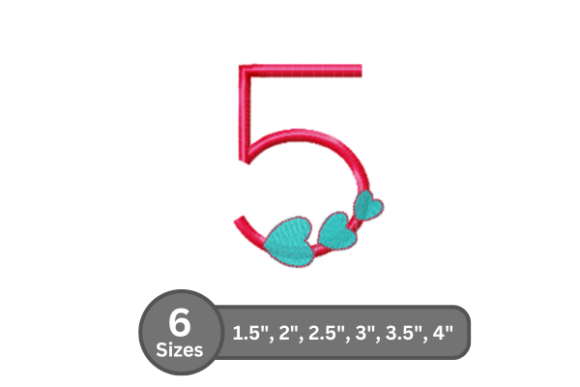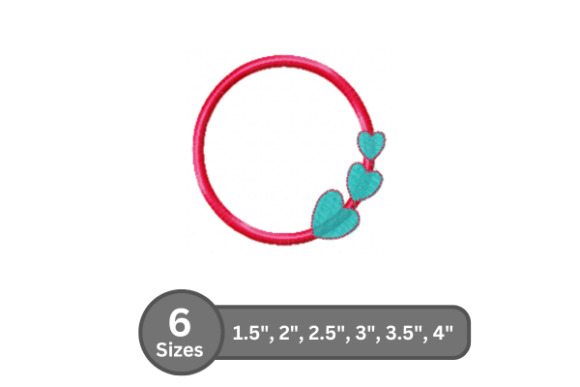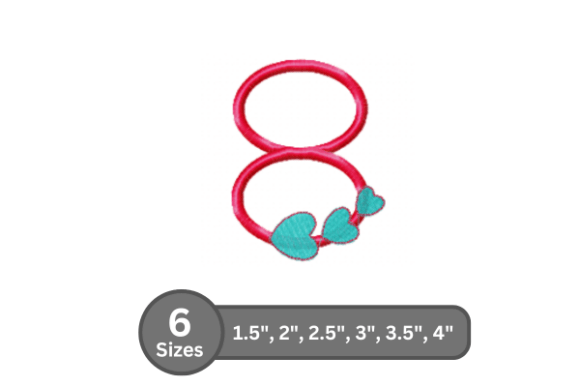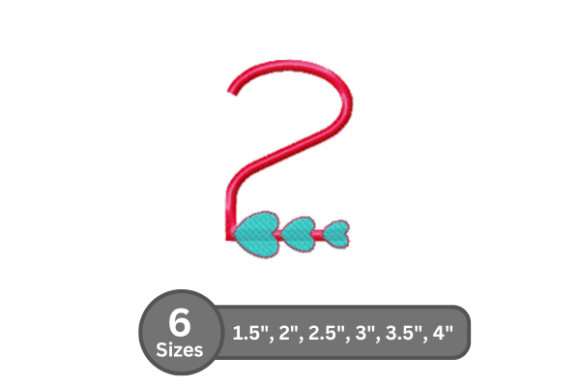
Candy Heart Number -4: Seasonal Embroidery Review
As an embroidery designer preparing for the upcoming seasonal rush, I am constantly evaluating which digital assets will translate best into profitable, high-quality finished products. When reviewing the Candy Heart Number -4, my primary focus is not just on the aesthetic appeal of the digitization, but on its commercial viability across a wide range of holiday and school-related merchandise. This fill stitch embroidery font has been carefully digitized for smooth stitching and professional results, making it a strong contender for my seasonal collection. However, before adding any machine embroidery design to a production lineup, it is essential to understand how it performs on various substrates and how it resonates with buyers looking for that perfect personalized gift.
First Impressions: Nostalgia Meets Modern Digitizing
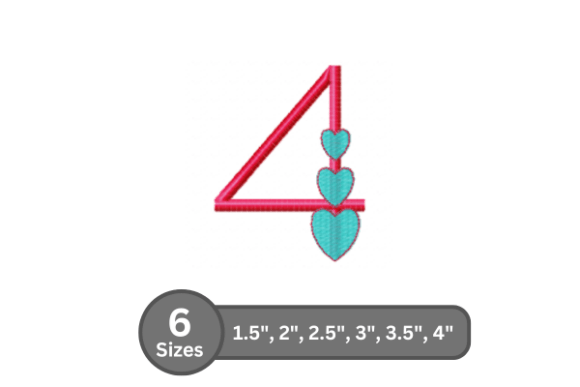
My initial assessment of Candy Heart Number -4 reveals a design that perfectly balances playful nostalgia with clean, modern execution. The emotional tone is undeniably festive yet versatile enough to bridge the gap between Valentine’s Day romance and general winter holiday cheer. For those of us in the School product category, this style evokes classic classroom aesthetics without feeling dated. The decorative style features soft edges and a rounded form factor that mimics traditional conversation candies, yet the digitizing ensures it does not suffer from the registration issues often found in poorly converted vintage fonts.
The detail level is appropriate for both standalone numbers and combined text applications. It feels cozy and approachable, which is critical for handmade gift markets where customers seek warmth and sentimentality. As a seasonal embroidery asset, it avoids being overly specific to a single date, allowing me to keep listings active from late January through early spring. This extended shelf life is vital for maximizing return on investment for digital embroidery file purchases.
Commercial Applications for Holiday Sellers
When planning a seasonal shop collection, versatility is key. Candy Heart Number -4 excels in real-world selling situations because of its adaptability. For Etsy sellers and small shop product creators, this design opens up multiple revenue streams. I envision this working exceptionally well for sweatshirt embroidery, particularly on crewnecks intended for family matching sets or milestone celebrations. The fill stitch construction provides enough coverage to be visible in social media previews and printable mockups, which drives engagement during peak holiday shopping periods.
Beyond apparel, this design is ideal for home decor items that drive higher average order values. Kitchen towel embroidery featuring family establishment dates or children's ages using this font creates an instant heirloom feel. Similarly, tote bag designs benefit from the legible, cheerful nature of the number, making them popular for gift bundles and teacher appreciation packages. For those creating embroidered patches or ornaments, the distinct shape of the number holds up well when scaled, provided the hoop size is selected correctly. The design’s inherent "giftability" enhances customer trust; when a buyer sees a clean, professional stitch-out in your listing photos, they are more likely to convert.
Strategic Product Pairings
- Pillow Covers: Perfect for nursery decor or seasonal throw pillows where a soft, tactile texture is desired.
- Baby Items: Ideal for onesies and bibs celebrating first holidays or birthdays due to the gentle aesthetic.
- Table Linens: Adds a personalized touch to napkins or table runners for holiday dinners.
- Aprons: Great for baking-themed gifts or family cooking events during the school break.
Technical Considerations and Fabric Limitations
While Candy Heart Number -4 is digitized for professional results, experienced embroiderers know that no design is universally flawless without proper testing. There are specific scenarios where this design requires careful handling. On thick terry cloth towels or plush fabrics, the fill stitch may get lost in the fabric texture if a water-soluble topping is not used generously. Conversely, on lightweight stretchy garments like performance tees, the stitch density must be evaluated to prevent puckering or fabric distortion.
I also advise caution when using metallic thread colors with this specific font. While the result can be stunning for premium holiday items, metallic threads increase friction and can lead to breaks if the design has dense underlay or complex pull compensation. Always run a test stitch-out before committing to a bulk production run. Additionally, for tiny lettering or small hoop sizes, verify that the smallest version of this number maintains clarity. Fill stitches can sometimes merge at very small scales, turning distinct numbers into unrecognizable blobs. If you plan to use this for curved caps or structured hats, ensure your machine embroidery design software allows for warping or distortion correction to accommodate the curve without compromising the integrity of the Candy Heart Number -4 shape.
Enhancing Brand Value and Buyer Emotion
In the competitive landscape of commercial embroidery and digital downloads, visual recognition and brand consistency are paramount. Using a cohesive font like Candy Heart Number -4 across your seasonal collection helps build a recognizable brand identity. Buyers often return to shops where they know the quality and style will match their previous purchases. This font supports that continuity while offering enough novelty to feel special.
Furthermore, the emotional connection facilitated by this design cannot be overstated. During the holidays, customers are not just buying thread on fabric; they are buying memories, acknowledgment, and love. A personalized gift utilizing this nostalgic typography taps into those sentiments effectively. Whether it is marking a graduation year for a school-related item or a wedding date for a keepsake, the font acts as a vessel for the customer's story. This emotional resonance directly correlates to perceived product value and justifies premium pricing for finished goods.
Designer Notes for Successful Production
To ensure Candy Heart Number -4 delivers the promised professional results, I recommend adhering to the following practical workflow. These steps have been refined through years of producing seasonal embroidery for retail:
- Verify Specifications: Before stitching, always check the included documentation for exact stitch count, recommended hoop size, and file format compatibility. Do not assume these details based on similar designs.
- Stabilizer Selection: Match your stabilizer to the fabric weight. Use cut-away for knits and tear-away for stable wovens. For the best results with this fill stitch, consider a light mesh cut-away to reduce bulk while maintaining stability.
- Thread Color Testing: Test your chosen thread colors on both light and dark fabric scraps. Pastel candy colors may require a white underlay base on dark garments to pop correctly and prevent the fabric color from showing through the stitches.
- Mockup Accuracy: Create realistic printable mockups that accurately represent the scale and placement of the number. Misleading mockups lead to returns and negative reviews.
- Licensing Compliance: Confirm commercial licensing terms before selling finished products. Ensure your usage aligns with the designer’s permissions for both physical goods and digital redistribution if applicable.
- Post-Stitch Inspection: Review small details after stitching. Trim jump threads meticulously, as the rounded shapes of this font can make stray threads more noticeable than in blockier typefaces.
By approaching Candy Heart Number -4 with both creative enthusiasm and technical discipline, you can transform this digital asset into a cornerstone of your seasonal product line. It offers the perfect blend of charm and functionality that today’s embroidery market demands, ensuring your holiday collection stands out for all the right reasons.