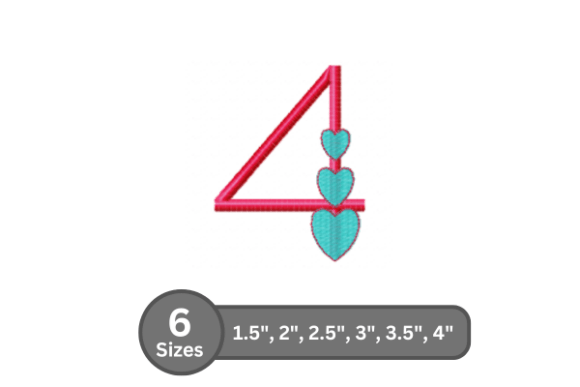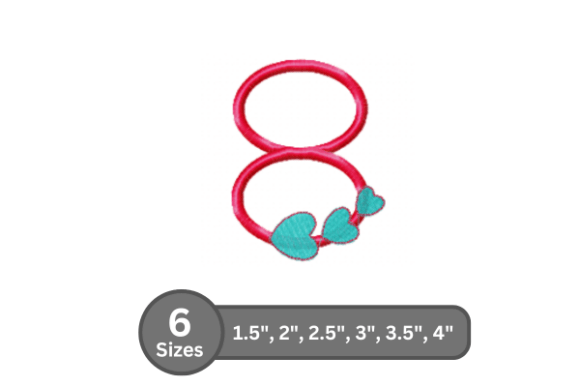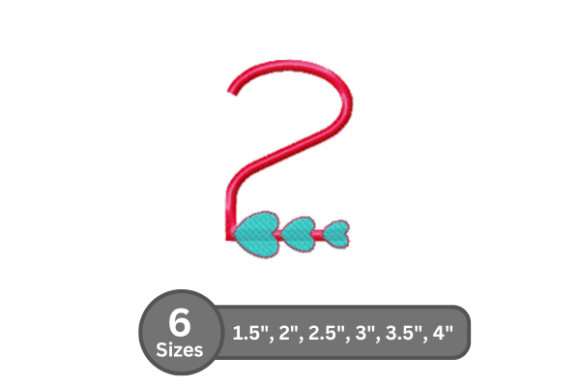
Candy Heart Number -5: Seasonal Embroidery Review
As an embroidery designer planning my upcoming seasonal collection, I am constantly evaluating which digital assets will translate best into finished products that customers actually want to buy. When reviewing the Candy Heart Number -5, my primary focus is on versatility and stitch integrity during high-volume holiday production. This fill stitch embroidery font has been carefully digitized for smooth stitching and professional results, which is exactly what I look for when preparing for the rush of seasonal orders. Whether you are an Etsy seller, a small shop product creator, or a hobbyist making handmade gifts, understanding how this specific number design performs in real-world applications is essential for maintaining quality and customer satisfaction.
First Impressions: Nostalgic Charm Meets Modern Utility
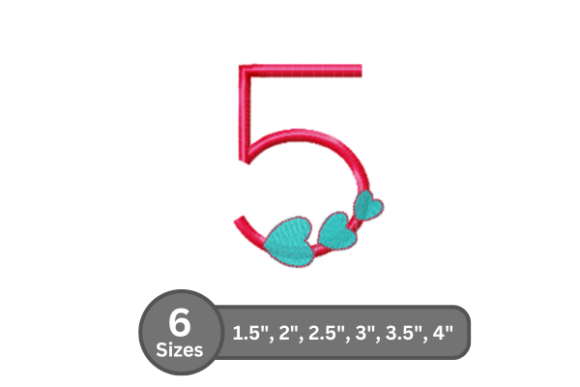
My initial assessment of Candy Heart Number -5 centers on its emotional resonance. The design immediately evokes a sense of nostalgic sweetness, reminiscent of classic conversation candies often associated with Valentine’s Day, yet it possesses enough structural neutrality to work across various school and holiday themes. It does not feel overly juvenile; rather, it strikes a balance between playful and polished. For a machine embroidery design intended for commercial use, this aesthetic flexibility is gold. It feels cozy and festive without being kitschy, making it suitable for everything from baby items to adult apparel.
The digitization style suggests a premium approach to fill stitches. Unlike cheaper fonts that rely on excessive jump stitches or uneven density, this design appears optimized for clean registration. As a designer, I appreciate that the curves are smooth and the edges are defined. This attention to detail ensures that when I create a personalized gift, the recipient sees a high-quality embroidered patch of text rather than a messy cluster of thread. The visual weight of the number is substantial enough to be legible on textured fabrics but refined enough to maintain elegance on lighter linens.
Strategic Applications for Holiday Product Lines
When building a seasonal shop collection, I need designs that can multitask. Candy Heart Number -5 serves as a foundational element for numerous product categories. Here is how I envision integrating this embroidery file into a profitable holiday lineup:
- Sweatshirt Embroidery: This is perhaps the strongest application. Placing this number on the chest or sleeve of a cream or pastel sweatshirt creates an instant bestseller. The fill stitch provides enough coverage to stand out against fleece fabric texture without causing puckering.
- Kitchen Towel Embroidery: Holiday baking is a massive niche. Using this number to designate family recipes (e.g., "Grandma's #5 Pie") or simply as decorative numbering on a set of towels adds significant perceived value to home decor bundles.
- Tote Bag Design: Canvas totes are staple sellers at craft fairs. This number works beautifully for monogram-style personalization or limited-edition event bags. The stitch structure holds up well against the coarse weave of canvas.
- Pillow Cover Accents: For home decor, this number can serve as a standalone minimalist accent or part of a larger seasonal phrase. Its shape complements both linen and cotton pillowcases.
- School and Team Gear: Given the School category association, this number is perfect for grade-level shirts, graduation year memorabilia, or team spirit wear. It offers a softer alternative to traditional block athletic fonts.
For Etsy sellers, these applications allow for diverse listing creation from a single digital embroidery file. You can market the same number as a romantic Valentine's addition, a practical kitchen organizer, or a sentimental keepsake for new parents.
Technical Considerations and Fabric Limitations
While Candy Heart Number -5 is versatile, experienced embroiderers know that no design is universal. During my review process, I identified specific scenarios where caution is required to ensure professional results.
Navigating Stitch Density and Stabilizer Choices
Because this is a fill stitch design, proper stabilization is non-negotiable. On stretchy garments like sweatshirts or knits, using a cut-away stabilizer is mandatory to prevent distortion. If you attempt this on lightweight jersey without adequate support, the dense fill will cause tunneling. Conversely, when working with thick terry cloth for kitchen towel embroidery, you may need a water-soluble topping to keep the stitches from sinking into the pile. Always test your stabilizer combination before running a full production batch.
Size Constraints and Legibility
Fill stitch fonts have minimum size thresholds. Do not resize Candy Heart Number -5 below its recommended dimensions. Shrinking a fill stitch too much increases the stitch density exponentially, leading to needle breaks, thread bunching, and a stiff, bulletproof feel on the fabric. If you require tiny numbering for tags or labels, opt for a satin stitch font instead. Reserve this design for areas where it can breathe and display its texture properly.
Fabric Texture and Color Contrast
This design shines on medium-weight stable fabrics. However, on highly textured surfaces like boucle or deep-pile velvet, the intricate details of the candy heart shape may get lost. Additionally, consider thread colors carefully. Light thread on light fabric requires higher contrast or a darker outline to remain visible. Metallic threads can add a festive holiday touch, but they require specialized needles and slower machine speeds to prevent shredding within the dense fill areas.
Enhancing Buyer Emotion and Perceived Value
In the competitive landscape of seasonal embroidery, the difference between a sale and a scroll-past is often emotional connection. Candy Heart Number -5 leverages the psychology of personalization. Numbers are inherently meaningful—they represent ages, anniversaries, lucky numbers, and milestones. By offering this specific style, you are not just selling thread on fabric; you are selling a memory or an identity.
For small business owners, this translates directly to product value. A plain tote bag might sell for $15, but a tote bag featuring a professionally stitched, personalized number in this charming font can command $35 or more. The "candy heart" aesthetic signals thoughtfulness and care, distinguishing your work from generic heat-transfer vinyl alternatives. Customers trust embroidery because it implies permanence and craftsmanship. When your digital embroidery files produce crisp, aligned results consistently, that trust compounds with every order.
Designer Notes for Production Success
Before adding Candy Heart Number -5 to your commercial embroidery workflow, adhere to these practical guidelines to protect your brand reputation:
- Verify Specifications: Always check the included documentation for exact stitch count, hoop size requirements, and format compatibility. Never assume a file fits your hoop until you have loaded it into your software or machine.
- Test Thread Colors: Seasonal palettes change rapidly. Run test sew-outs on both light and dark scraps using your intended holiday colorways. Some fill stitches reveal bobbin thread differently depending on the top thread tension and color contrast.
- Create Realistic Mockups: Use printable mockup templates that accurately reflect the texture of the fill stitch. Flat vector graphics do not convey the tactile quality of embroidery. Showing customers a realistic representation reduces returns and increases confidence.
- Confirm Licensing: Ensure you understand the commercial licensing terms for this design. While it is designed for creating finished products, verify if there are limitations on mass production or digital redistribution.
- Plan Matching Palettes: Since this is a single number, consider how it pairs with other elements. Does it match your existing candy heart letters? Having a cohesive font family allows for upselling complete names or phrases later in the season.
Ultimately, Candy Heart Number -5 represents a smart investment for seasonal product development. It bridges the gap between cute and classic, performs reliably across multiple substrates, and carries the emotional weight necessary for successful holiday selling. By respecting its technical requirements and leveraging its aesthetic strengths, you can create a collection of personalized gifts and apparel that resonates deeply with shoppers and stands the test of time.