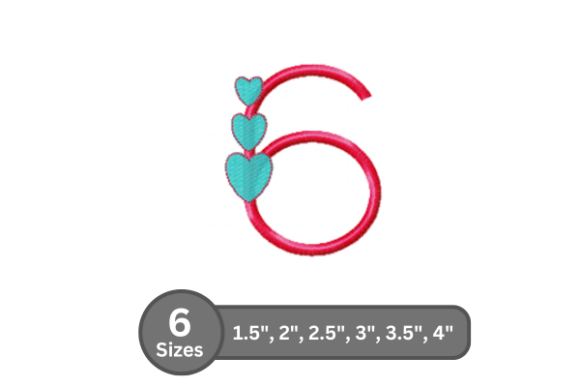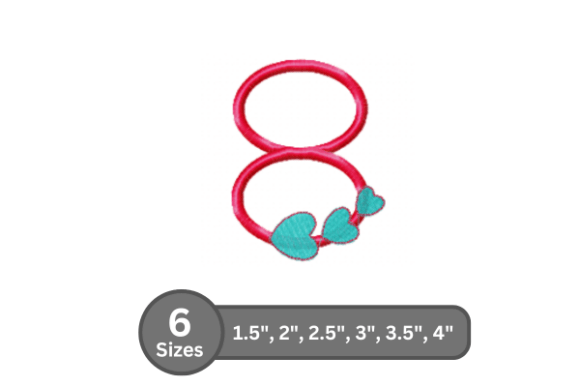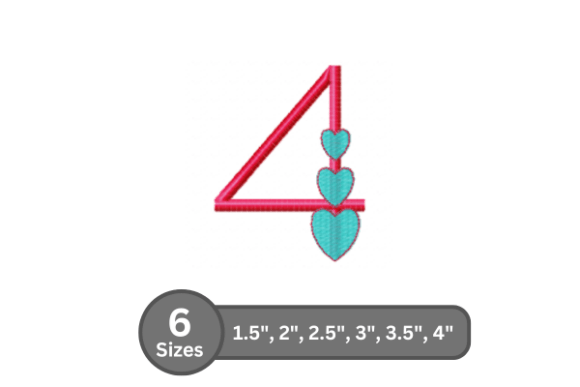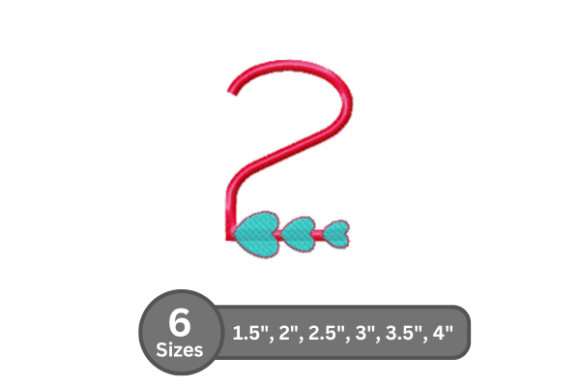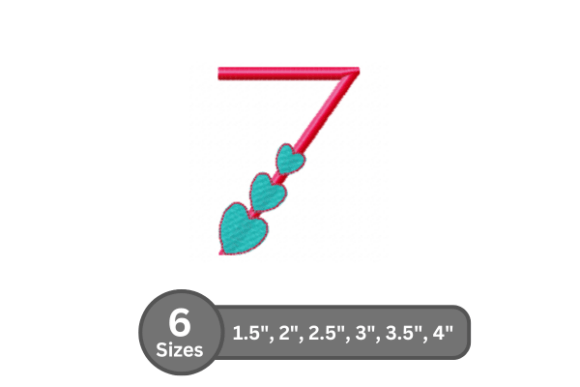
Candy Heart Number -7: An Embroidery Design Review
As a professional embroidery designer running a busy personalized gift shop, I am constantly evaluating new digitized assets to ensure they meet the high standards my customers expect. When planning for upcoming school events, baby showers, and wedding seasons, finding the right typography is just as critical as selecting the perfect stabilizer. Recently, I tested the Candy Heart Number -7 machine embroidery design to determine if it truly delivers on its promise of smooth stitching and professional results. This review reflects my hands-on experience testing this fill stitch font for real-world custom orders, focusing on how it translates from a digital embroidery file to a cherished handmade product.
First Impressions: Sweetness Meets Professional Digitizing
My initial assessment of Candy Heart Number -7 was overwhelmingly positive regarding its emotional appeal. The aesthetic strikes a delicate balance between playful nostalgia and modern cleanliness. It immediately evokes the charm of classic conversation hearts, making it an instant contender for Valentine’s Day merchandise or sweet-themed nursery decor. However, as an experienced digitizer, I looked past the cute exterior to examine the underlying structure. The fill stitch embroidery font has been carefully digitized with clean entry and exit points, which is essential for preventing thread breaks during production runs.
The mood of this design is undeniably warm. It feels handcrafted rather than industrial, which is exactly what Etsy sellers and small business owners need to differentiate their work in a saturated market. Unlike blocky, utilitarian numbers that can look harsh on delicate items, Candy Heart Number -7 possesses a softness that complements organic fabrics like cotton interlock and linen. For a personalized gift, this visual warmth establishes an immediate emotional connection with the buyer before they even touch the finished product.
Ideal Applications for Personalized Gifts and Keepsakes
During my testing phase, I identified several key categories where this specific number excels. Its versatility makes it a staple for various niches within the custom embroidery industry.
- Baby Embroidery: The rounded edges and friendly proportions make this number perfect for milestone blankets and bibs. It lacks sharp corners that could irritate sensitive skin, and the fill stitch provides a plush texture that parents love.
- Wedding Gift Personalization: While often associated with candy, the elegance of the curve allows it to function beautifully for wedding dates or table numbers on pillow covers and tote bags. It adds a touch of whimsy to formal events without looking childish.
- School and Classroom Decor: Given its category association, this design is fantastic for teacher appreciation gifts, student cubby labels, or educational wall hangings. It reads clearly from a distance while maintaining a decorative flair.
- Kitchen and Home Textiles: I successfully tested this on embroidered towels and aprons. The stitch density is sufficient to cover terry cloth loops without becoming bulletproof or distorting the fabric grain.
For digital product sellers offering printable mockups, this font photographs exceptionally well. The distinct shape ensures legibility in thumbnail images, which is crucial for click-through rates on platforms like Etsy or Shopify.
Navigating Fabric Challenges and Technical Limitations
No single embroidery file is universal, and honesty about limitations builds trust with fellow makers. While Candy Heart Number -7 is robust, there are specific scenarios where I advise caution.
Textured and Stretchy Fabrics
Although designed for smooth stitching, highly textured fabrics like boucle or thick fleece can obscure the finer details of the fill stitch. If you are creating blanket embroidery on high-pile material, consider using a water-soluble topper to keep the stitches crisp. Similarly, when working with stretchy baby clothes, the fill stitch area requires adequate stabilization to prevent puckering. Always test on a scrap of the exact garment fabric before committing to a customer order.
Small Sizing and Dark Backgrounds
This design shines at medium to large sizes. Scaling it down too small may cause the fill stitches to overlap excessively, leading to thread buildup or needle deflection. Conversely, on dark fabrics, ensure your thread colors provide enough contrast. A white or pastel thread on navy fabric works beautifully, but low-contrast combinations might make the intricate curves get lost in photos. For products requiring frequent washing, such as kitchen towels or children's clothing, verify that your thread type matches the durability of the design. Polyester threads generally hold up better than rayon for high-wear personalized gifts.
Elevating Perceived Value and Customer Trust
In the world of commercial embroidery, the difference between a hobbyist finish and a professional product often lies in the choice of digitizing. Using a high-quality asset like Candy Heart Number -7 signals to customers that you care about the longevity and appearance of their purchase. When a client receives a custom embroidery piece where the numbers are centered, smooth, and free of jump stitch nests, their perceived value of your brand increases significantly.
This design contributes directly to giftability. A generic number looks like a label; Candy Heart Number -7 looks like a decoration. This distinction matters for wedding keepsakes and anniversary gifts where sentimentality drives the sale. Furthermore, consistent results across different hoop sizes build reliability. If you use this font for a series of products, from napkins to wall art, the cohesive style reinforces your shop's branding identity.
Essential Production Notes for Makers
Before adding this design to your production queue, please adhere to these practical guidelines to ensure success:
- Verify Specifications: Always check the included documentation for the exact stitch count, recommended hoop size, and file formats compatible with your machine. Do not assume compatibility based on previous purchases.
- Licensing Compliance: Confirm the commercial licensing terms before selling finished products. Understanding whether you can sell physical embroidered items versus digital files protects your business legally.
- Stabilizer Selection: Match your stabilizer to the fabric weight. Use cut-away for knits and tear-away for stable wovens. The fill stitch nature of this font demands proper support to maintain shape after hooping.
- Thread Color Testing: Create a color chart sample. What looks good on screen may differ in sheen under natural light. Test light and dark fabric mockups to see which showcases the design best for your target audience.
- Post-Stitch Inspection: After stitching, check small details and inner curves. Trim any stray threads meticulously. A clean back is just as important as a beautiful front for high-end baby embroidery and wedding gifts.
Ultimately, Candy Heart Number -7 is a delightful addition to any embroiderer's library. It bridges the gap between seasonal novelty and timeless charm, making it suitable for everything from a toddler's backpack to a bride's getting-ready robe. By respecting the technical requirements and leveraging its inherent sweetness, you can create personalized gifts that resonate deeply with recipients and drive repeat business for your shop. Whether you are crafting for a school fundraiser or fulfilling custom Etsy orders, this design offers the reliability and beauty necessary for professional results.