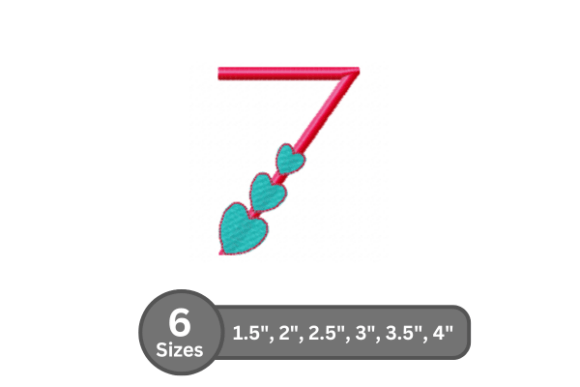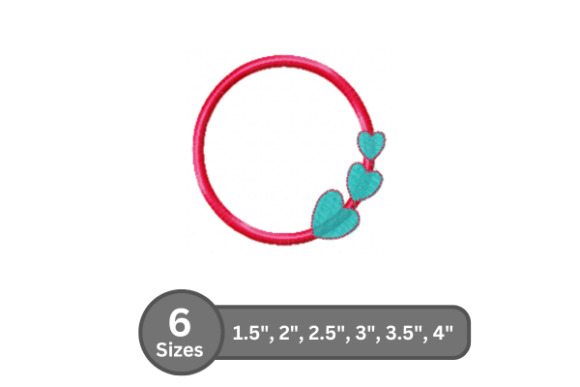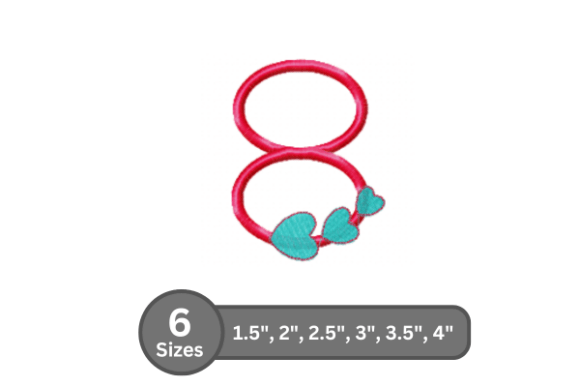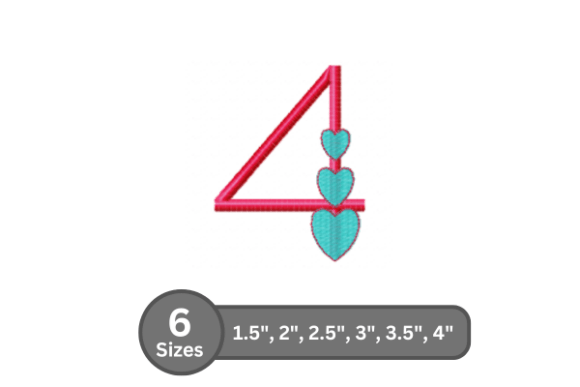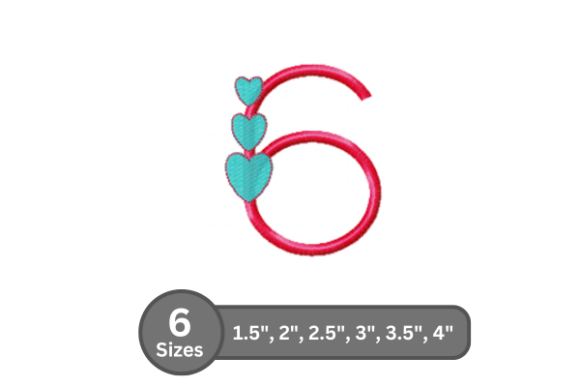
Candy Heart Number -6: Embroidery Design Review
As an embroidery designer who frequently sources assets for commercial projects, I approach every new machine embroidery design with a critical eye. When browsing Creative Fabrica embroidery collections, it is easy to get distracted by cute previews, but the true test lies in how the digitization performs under the needle. Recently, I evaluated the Candy Heart Number -6 for a series of personalized school spirit items and seasonal gifts. This review breaks down my experience using this specific fill stitch font in real-world production scenarios, focusing on stitch quality, versatility, and commercial viability for handmade business owners.
First Impressions and Digitizing Quality
The visual mood of Candy Heart Number -6 immediately suggests nostalgia and playfulness. It mimics the aesthetic of classic conversation candies, making it inherently suitable for Valentine’s Day merchandise, nursery decor, and sweet-themed apparel. However, as a professional, my primary concern was the underlying digitization. The product description highlights that this is a fill stitch design carefully digitized for smooth stitching. In my initial inspection of the embroidery file, the node placement appeared logical, which is crucial for preventing thread breaks and ensuring clean edges.
Unlike some novelty fonts that sacrifice structure for style, this design maintains legibility even at smaller sizes. The fill stitch texture provides a matte finish that contrasts beautifully against shiny satin stitch borders often found in companion designs. For Etsy sellers and boutique owners, this distinction matters. A digital embroidery file that stitches out cleanly without excessive jump stitches or registration issues saves time and reduces material waste. My first impression was that this asset balances decorative charm with the technical reliability required for commercial embroidery.
Performance on Apparel and Tote Bags
I tested Candy Heart Number -6 on two distinct substrates: a cotton canvas tote bag design and a fleece sweatshirt. These materials represent common challenges in custom apparel decoration. On the canvas tote, the fill stitch laid down smoothly. Because canvas has a tight weave, the design anchored well without puckering. The playful nature of the number made it perfect for a "Grade 6" graduation gift or a teacher appreciation bag. The stitching personality felt substantial but not overly dense, which is vital for keeping tote bags flexible rather than stiff.
Sweatshirt embroidery requires different considerations due to the stretch and pile of fleece. Here, the importance of proper stabilizer selection became apparent. Using a cut-away stabilizer, the Candy Heart Number -6 maintained its shape during the stitching process. The fill stitch coverage was opaque enough to prevent the fleece texture from showing through, yet the density was managed well enough to avoid creating a bulletproof patch effect. For small business owners producing custom apparel, this balance ensures the garment remains comfortable to wear while showcasing high-quality craftsmanship.
Navigating Small Hoops and Detailed Textures
One of the most practical aspects of reviewing this design was testing its limits regarding hoop size and detail retention. Many crafters work with smaller hoops like 4x4 or 5x7. Candy Heart Number -6 scales reasonably well, but users must be cautious when resizing. Reducing a fill stitch design too aggressively can cause stitch overlap and needle breaks. I recommend checking your machine's preview or using embroidery software to verify stitch integrity before committing to a final run.
For projects requiring tiny lettering or numbering, such as tags on baby blankets or labels on kitchen towels, clarity is paramount. While this is primarily a decorative number set, if you are pairing it with other text elements, ensure there is adequate spacing. On textured fabrics like terry cloth towels, the fill stitch provided good coverage, but I strongly advise using a water-soluble topping. This prevents the fabric loops from poking through the stitches, preserving the crisp candy-heart aesthetic. Always inspect small details after stitching; clean edges build buyer trust and elevate the perceived value of your handmade product.
Commercial Viability for Handmade Businesses
For those selling on Etsy or at craft fairs, product photography and presentation are just as important as the stitch-out itself. Candy Heart Number -6 photographs exceptionally well because of its distinct shape and texture. It reads clearly in thumbnails, which helps drive click-through rates. When creating a printable mockup or listing photo, the whimsical style naturally attracts customers looking for personalized gifts or seasonal decor.
Beyond aesthetics, consider the brand consistency this design offers. If you specialize in school-related merchandise, nursery themes, or retro-inspired goods, having a reliable, cohesive font family streamlines your workflow. Customers often return to shops where they know the embroidery quality is consistent. Using professionally digitized assets like this reinforces that reliability. Furthermore, for creators making embroidered patches, this fill stitch style translates well to twill or felt bases, offering another revenue stream for creative entrepreneurs.
Essential Testing Notes for Professional Results
Before adding Candy Heart Number -6 to your production lineup, adhere to these practical testing protocols to ensure success:
- Test on Scrap Fabric: Never stitch directly on a finished product without a test run. Use scraps that match the weight and stretch of your final item to check for tension issues.
- Verify Thread Color Contrast: Fill stitches rely on texture for definition. Test thread colors on both light and dark fabrics. Pastel threads on white fabric may require a darker outline or higher contrast to pop in photos.
- Review Stitch Density: Check the density settings in your software or machine. If stitching on delicate fabrics, you may need to reduce density slightly; for heavy denim, standard settings usually suffice.
- Confirm Licensing: Always review the specific license terms on the Creative Fabrica product page. Ensure you have the rights to sell finished physical products or use the design in commercial quantities.
- Stabilizer Pairing: Match your stabilizer to the fabric, not just the design. Stretchy knits need cut-away; woven cottons often do well with tear-away; towels require topping.
Evaluating Value for Your Design Library
Incorporating Candy Heart Number -6 into my workflow has proven beneficial for specific niches. It excels in applications where a soft, approachable, and nostalgic vibe is required. Whether you are personalizing a baby blanket, creating matching family vacation shirts, or designing seasonal pillow covers, this asset delivers professional results when handled correctly.
However, it is important to manage expectations. As a specialty fill stitch font, it is not a replacement for standard block lettering for corporate logos or safety gear. Its strength lies in its character. For digital product sellers and apparel decorators targeting the gift market, school events, or children's fashion, it is a worthy addition. By combining this design with proper stabilization techniques and thoughtful color choices, you can create finished products that stand out in a crowded marketplace. Ultimately, the value of any design assets purchase depends on how well it aligns with your target audience and your commitment to quality execution. Based on my testing, Candy Heart Number -6 holds up to the demands of real-world embroidery businesses.